


What to Wear, When to Arrive: Answers to Funeral Questions
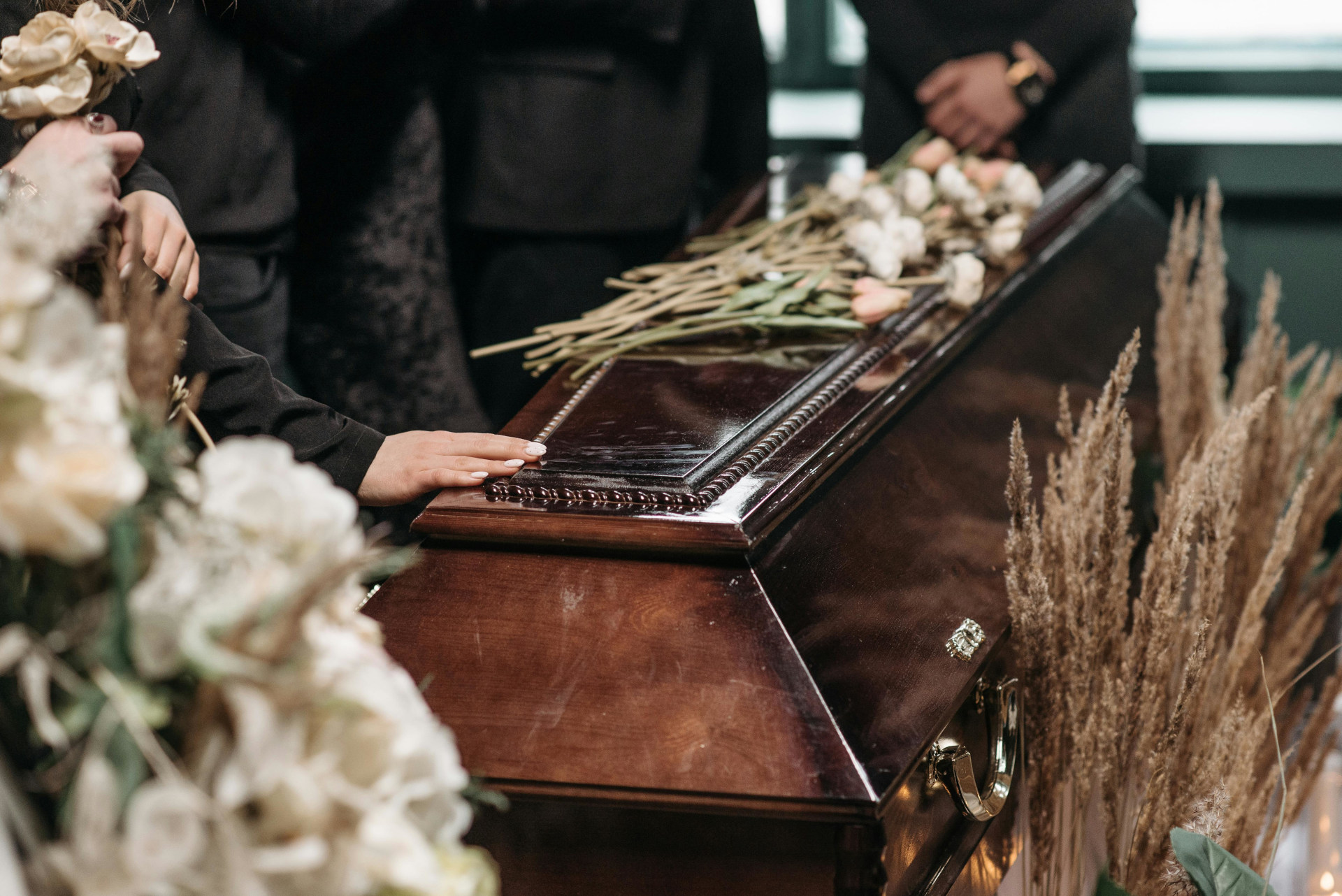
In moments of loss, it is natural to feel unsure about what to do. Many people in Singapore do not often attend funerals, and customs can vary across religions, dialect groups, and family traditions. Even when your intentions are sincere, you may still find yourself wondering what is appropriate: what to wear, when to arrive, how to pay respects, or how to respond to certain rituals.
If you are feeling uncertain, you are not alone.
This guide offers calm, practical answers to common questions, including what to wear to a funeral, what certain customs mean, and how to show respect across different traditions. Whether you are attending a wake for the first time or supporting someone through a difficult goodbye, this article will help you feel more prepared and more at ease. And remember, when in doubt, the kindest approach is to follow the family’s instructions and let your sincerity speak for itself.
What to Wear to a Funeral in Singapore
If you have been searching for what to wear to a funeral, the best guiding principle is simple: dress modestly, quietly, and in a way that does not draw attention.
In most cases, a respectful outfit is one that feels calm and understated. Aim for conservative colours such as black, white, navy, grey, or muted earth tones. Clothing should be neat, clean, and comfortable, especially because wakes in Singapore can last several hours.
Here are practical guidelines that work across most funeral services in Singapore:
- Choose simple, modest clothing (covered shoulders, longer hemlines, no flashy cuts)
- Avoid bright colours, especially red or neon tones, unless specifically requested
- Keep makeup natural and avoid bold styling
- Footwear should be comfortable, ideally closed-toe or understated flats
- Minimise accessories (avoid loud jewellery, glittery bags, or strong fragrances)
If the family has included attire instructions in the wake notice, that always comes first. When unsure, it is perfectly acceptable to dress in dark or neutral tones.
Christian Funeral Singapore Attire Notes
For a Christian funeral service, attire is usually similar to what one would wear to a solemn church service. Guests often wear darker colours, such as black, navy, or charcoal, and the overall look tends to be more formal.
In some cases, families may request white or light neutral tones as a symbol of peace. This varies, so it is best to follow the family’s guidance or the printed notice.
Buddhist Funeral Singapore Attire Notes
In a Buddhist funeral in Singapore, white is commonly associated with mourning in many Chinese Buddhist traditions. That said, guests may also wear dark colours, especially if white clothing is not available.
Immediate family members may be given mourning items such as headbands, sashes, or cloth pieces. Guests typically do not wear these unless asked.
If you are unsure, a safe option is a plain white top with dark trousers.
Taoist Funeral Attire Notes
For a Taoist funeral, guests generally wear muted tones such as white, black, grey, or dark blue. Red is traditionally avoided because it is associated with celebration and joy and may feel inappropriate in mourning settings.
However, Taoist practices can vary across dialect groups, temple customs, and family preferences. If you are uncertain, the best approach is to dress conservatively and respectfully.
When to Arrive, How Long to Stay, and Where to Sit
One common worry is timing: did you arrive too early, too late, or stay too long? The truth is that most families understand that guests are doing their best, and what matters most is your presence.
When to Arrive
Most wakes allow visitors to come anytime during the listed hours. If you prefer a quieter moment, arriving earlier in the evening is often less crowded.
For funerals with a scheduled service (more common for Christian funerals), it is respectful to arrive 10–15 minutes early so you can settle in quietly without interrupting the proceedings.
If you are delayed, do not panic. Families are rarely focused on timing: they are focused on grief, remembrance, and receiving support.
How Long to Stay
There is no strict rule. A helpful guideline is: stay long enough to pay respects sincerely.
Even a brief visit can be meaningful. If you are close to the family, you may stay longer to offer support. If you are an acquaintance or colleague, a short stay and a respectful presence are still appreciated.
Where to Sit or Stand
At most wakes in Singapore, the family sits closest to the altar or coffin area. Guests are usually seated to the side or in designated areas.
If you are unsure, follow the flow of the space, observe what others are doing, or wait for a cue from the family or ushers. Quiet awareness is always respectful.
What to Do When You Arrive at a Wake
Attending a wake can feel unfamiliar, especially if you are not from the same religious background. The good news is that most funeral settings follow a gentle rhythm, and it is acceptable to observe quietly.
Here is a simple arrival sequence that applies across many funerals in Singapore.
Paying Respects
Most guests begin by greeting the family softly. A simple “I’m so sorry for your loss” or “My condolences” is enough. You do not need to say much as your presence speaks for itself.
Depending on the faith and setting, paying respects may involve:
- Approaching the altar or coffin
- Offering incense
- Bowing briefly
- Placing flowers
- Standing quietly during prayers
If you are unsure what to do, watching others is perfectly fine. You may also ask quietly, “May I follow what others are doing?” Families understand that customs differ.
Condolence Donations
Some guests choose to give a condolence donation. In Chinese funerals, this may be placed in a white envelope. In Christian funerals, families may request donations to a church or charity in place of flowers.
However, giving is always optional. A respectful visit matters more than a contribution. If you do give, it should come from your sincere feelings.
What to Do With the Red String from the Funeral
After attending a funeral, you may be given a red thread. What are you to do with it? This is a question many guests quietly ask after attending a Chinese wake.
In some local Chinese traditions, a small red thread may be given to guests. It is often understood as a symbolic gesture meant to ward off misfortune and mark the transition back to daily life after attending a wake.
There is no single “correct” way to handle it, but common respectful practices in Singapore include:
- Wearing it home and removing it later
- Placing it outside the home after returning
- Discarding it respectfully, based on family or elder advice
Because customs differ across families and dialect groups, the best approach is to follow the instructions provided at the wake, find a quiet opportunity to ask someone, and act in a way that aligns with your own beliefs and comfort.
What matters most is that you treat the gesture with quiet respect, rather than anxiety.
What is a Funeral Eulogy
If you have ever been asked to speak at a funeral, you may have wondered what a funeral eulogy is.
A eulogy is a spoken tribute that honours the deceased’s life, character, and impact. It is usually delivered by a family member, close friend, or someone who knew the person well. A good eulogy does not need to be perfect; it simply needs to be sincere.
In Singapore, eulogies are most commonly included in Christian services, but they are also increasingly part of secular funerals and even personalised Buddhist and Taoist funerals, especially when families want to share stories and memories in a meaningful way.
If you are asked to give one, here are gentle guidelines that may help:
- Ask to be involved in the funeral pre-planning to have something to refer to
- Keep it honest, warm, and respectful
- Share one or two meaningful stories
- Speak for 3–5 minutes, unless the family requests longer
- It is okay to be emotional—grief is human
- You do not need grand words; simple love is enough
Why Give Sweets After a Funeral
Another question guests often have is, “Why do we give sweets after funeral services?”
In many local customs within Buddhist and Taoist settings, sweets are given as a symbolic gesture. They represent a wish for life to regain sweetness after grief, and for guests to return safely to their everyday routines.
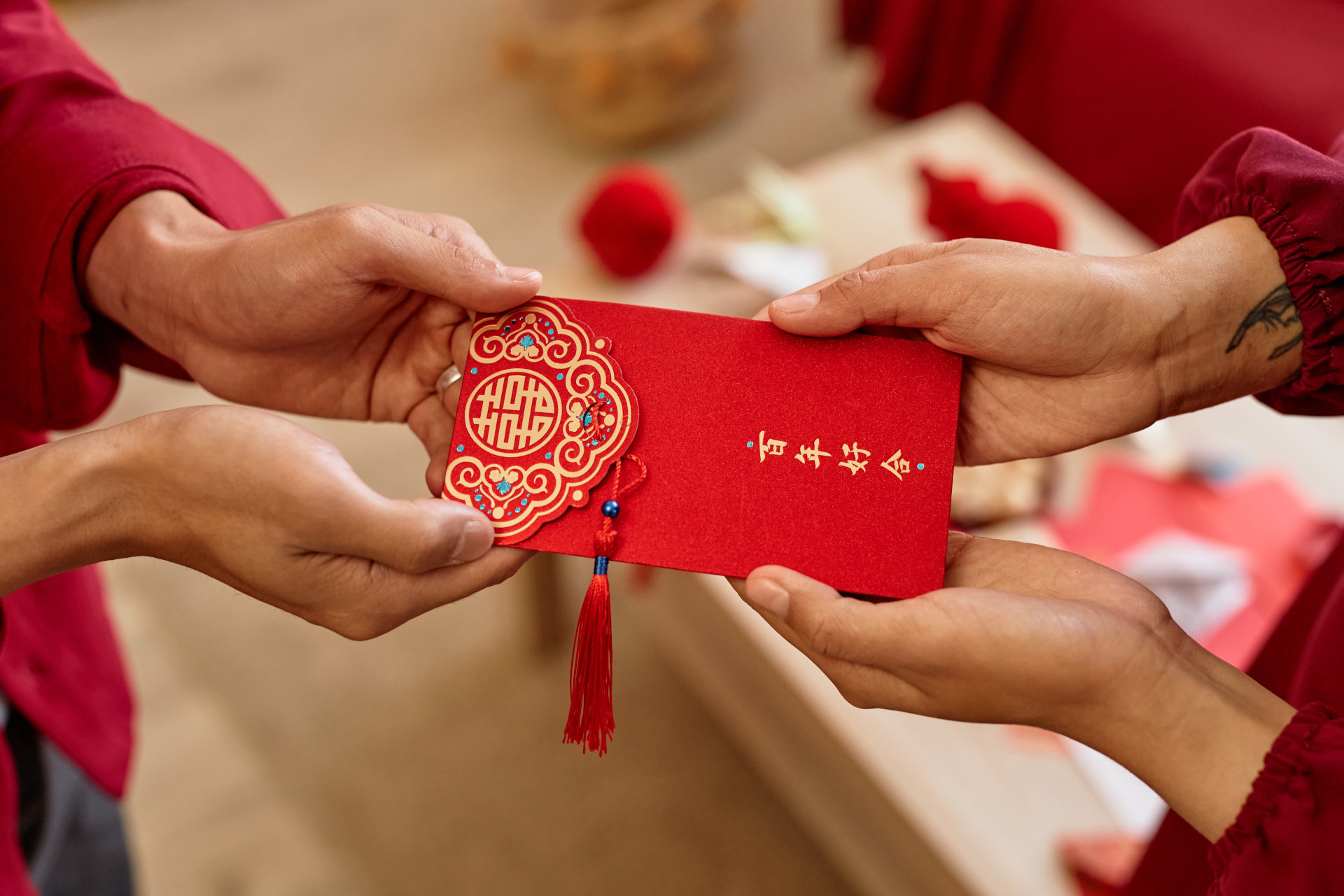
This practice can be seen as a gentle closing ritual. Sometimes the sweets are paired with other tokens, such as a red thread or a small packet, depending on family tradition. Regardless, if you are offered sweets, receiving them respectfully is appropriate.
Other Etiquette Tips That Help
Small gestures can make a meaningful difference at a wake. Here are a few practical etiquette reminders that apply across most funerals in Singapore:
- Keep your phone on silent
- Avoid taking photos or videos, unless explicitly invited
- Speak softly and keep conversations brief and respectful
- Children are welcome, but should be supervised gently
- If you do not share the faith, standing quietly is a valid form of respect
- If you are unsure about rituals, it is always acceptable to observe rather than participate
You do not need to know every custom to show kindness. A respectful presence is enough.
Presence Matters More Than Perfection
Funerals are emotionally heavy, and etiquette questions often come from a sincere desire to do the right thing. If you are worried about making a mistake, remember this: families rarely remember small details. They remember who showed up.
And if you are planning a farewell for someone you love, you do not have to navigate it alone.
At Endearing Funeral Services, we are not just service providers; we are companions in your time of loss. Trusted across generations through word of mouth, we personally handle every detail without outsourcing, so families feel supported throughout this difficult process. If you need calm guidance for funeral arrangements in Singapore, our team is available 24/7.