


Taoism has long been part of Singapore’s Chinese spiritual landscape, often practised alongside folk beliefs and guided by Confucian values of filial piety, respect, and family harmony. For many families, a Taoist funeral is not only a farewell, but a deeply meaningful act of love that honours the deceased, guides the spirit through the afterlife, and maintains balance between the living and the departed.
At its heart, a Taoist funeral seeks three things: to show reverence to the person who has passed on, to help the soul journey peacefully onward, and to reassure the living that proper rites have been observed with care and sincerity. These ceremonies are rooted in centuries of tradition, yet they remain deeply personal.
It is also important to understand that there is no single, fixed version of a Taoist funeral. Practices may differ depending on dialect group, such as Hokkien, Teochew, Cantonese, or Hakka, family customs, and the Taoist priest or temple guiding the rites. What matters most is that the funeral aligns with the family’s beliefs and brings them comfort during a time of loss.
Key Stages of a Taoist Funeral in Singapore
While each family’s experience is unique, most Taoist funeral services in Singapore follow a general flow. Rather than a rigid checklist, the stages below outline what families may commonly expect.
Preparations After a Passing
After a loved one passes, there are immediate practical matters to attend to. A doctor or coroner must issue the Certificate of Cause of Death, followed by death registration through Singapore’s MyLegacy portal. Families will also need to decide between burial or cremation, with cremation being the more common choice locally.
During this emotionally overwhelming period, it is natural to feel unsure of what comes next. A trusted funeral specialist typically steps in to coordinate arrangements gently and efficiently. This includes liaising with the Taoist priest, discussing the length of the wake, confirming key rituals, planning the chanting schedule, and arranging the final send-off.
Setting Up the Wake and Altar
In Singapore, Taoist wakes are commonly held at HDB void decks, funeral parlours, private homes, or temple-associated spaces, subject to venue and regulatory guidelines.
The altar is central to the wake and carries deep symbolic meaning. It usually includes:
- A portrait of the deceased
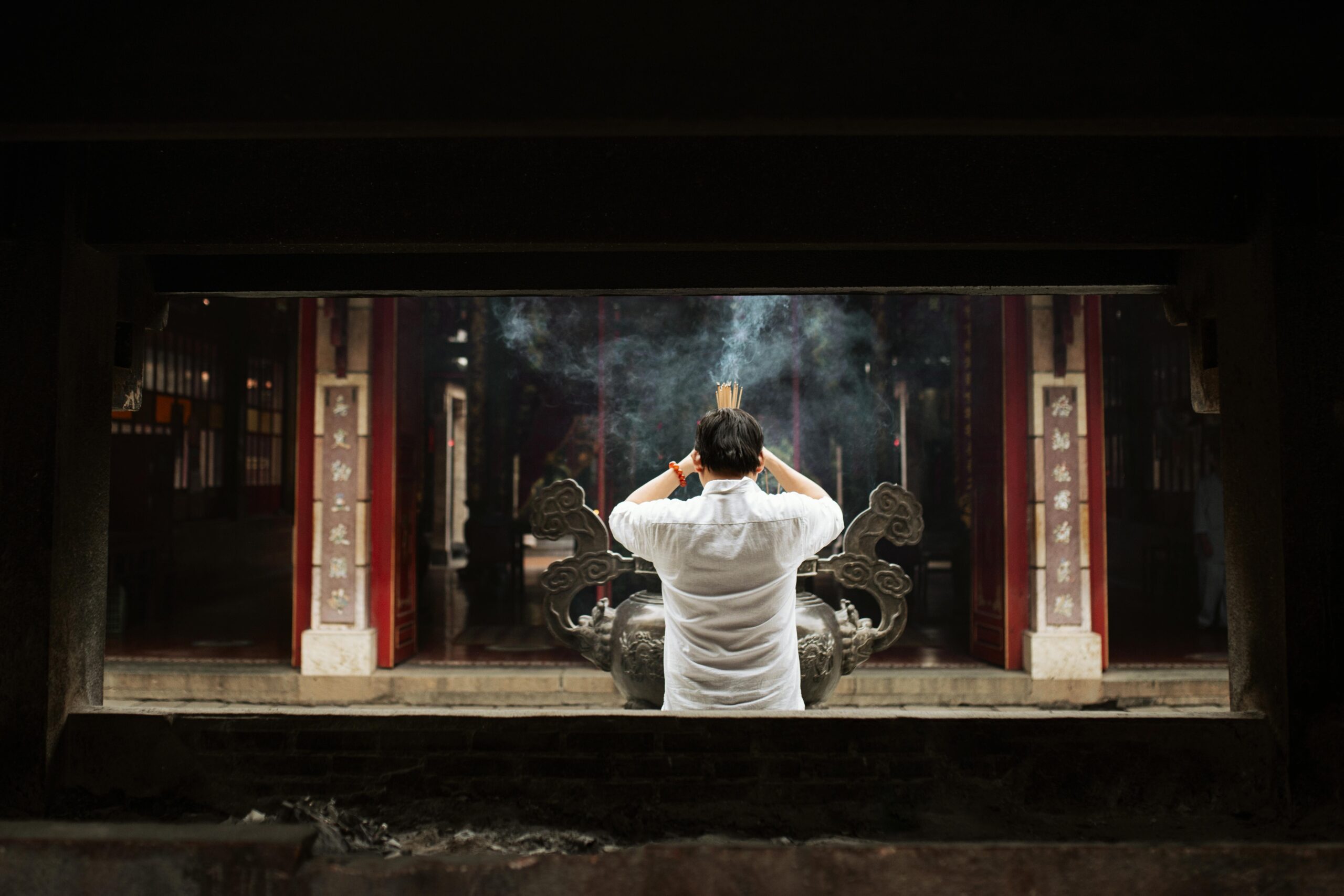
- Incense and joss sticks for offerings
- Candles representing light and guidance
- Fruits or food offerings
- A designated area for paper offerings
- An ancestral tablet, where applicable
This list is not exhaustive and may be thoughtfully customised according to the family’s traditions, beliefs, and the guidance of the Taoist priest. Each element serves as a bridge between the physical and spiritual worlds, allowing family and visitors to pay respects in a structured, reverent way.
Encoffining and Initial Rites
Encoffining is a sacred and emotionally significant moment in Taoist funeral rites. Led by the Taoist priest, this ritual is often attended by close family members. Certain traditions may avoid late-night encoffining, depending on beliefs.
Family members may offer incense, speak final words, or place symbolic items with the deceased. Silence, respect, and attentiveness to the priest’s guidance are observed, marking this as a profound farewell within the larger funeral journey.
Chanting, Prayers, and Nightly Ceremonies
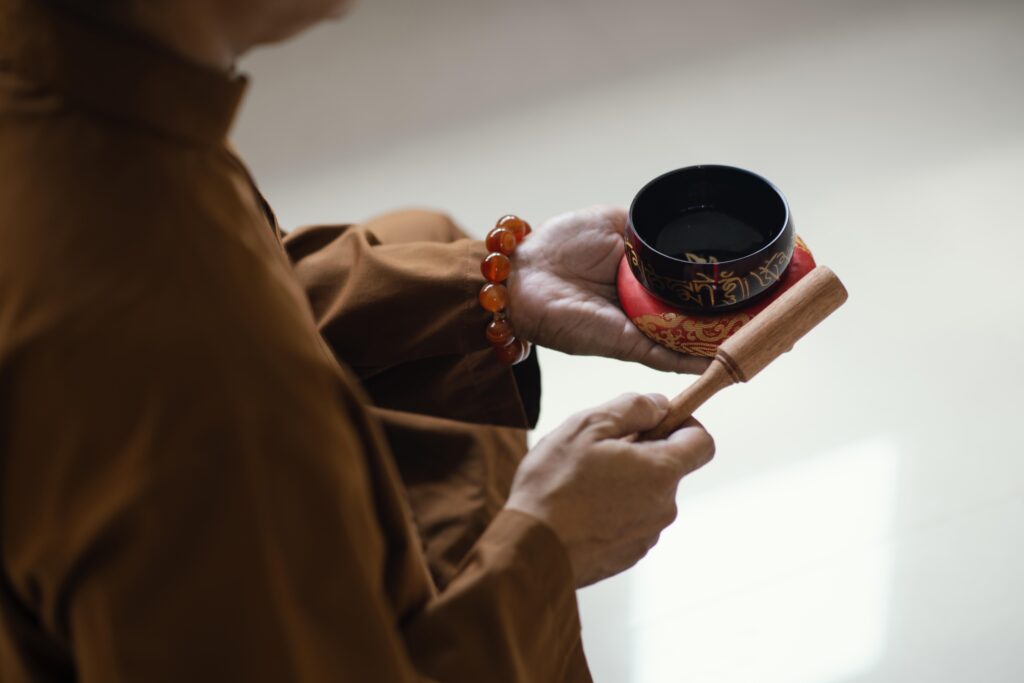
Chanting and prayers form the spiritual backbone of a Taoist funeral. In Singapore, priests recite scriptures, often in the deceased’s dialect, to guide the soul, dispel negative influences, and protect the living.
Many Taoists believe in a 49-day journey after death, during which the soul undergoes transition and judgement. The prayers offered during the funeral are believed to support a smoother passage and a more favourable outcome.
Paper Offerings and Symbolic Acts
Paper offerings are among the most recognisable Taoist funeral customs. These may include paper money, houses, cars, clothing, servants, and daily necessities. Far from extravagance, these offerings symbolise continued care and provision for the deceased in the spirit realm.
The burning of offerings is conducted in an organised, safe manner and must comply with venue and NEA guidelines. A professional funeral team ensures this process is handled respectfully, without causing distress or inconvenience.
The Final Send-Off
The final day of the funeral culminates in the funeral procession. After concluding prayers, family members offer their last farewells before the mourners proceed to the direct cremation or burial site.
Some families observe symbolic rites such as crossing-bridge ceremonies, clearing the path with paper money, or other acts signifying the soul’s departure from the earthly realm. These practices vary widely by dialect group and temple tradition, and families are gently guided on what is appropriate for them.
Dialect Group Variations in Singapore Taoist Funerals
While core beliefs are shared, dialect traditions may influence the tone and structure of a Taoist funeral.
- Hokkien and Teochew: These traditions often observe longer wakes and place strong emphasis on the soul’s journey, with detailed symbolic rites representing paths and crossings.
- Cantonese and Hakka: Families from these dialect groups may have distinct chanting styles, preferences for attire colours, and specific timing considerations for rituals.
Across all groups, however, the unifying themes remain filial piety, guidance of the spirit, reverence at the altar, and sincere offerings made with love. This is true of any funeral, regardless of tradition.
Taoist Funeral Etiquette for Family And Visitors
Etiquette serves as a way to show respect for the deceased and consideration for the grieving family. While customs may vary depending on family tradition and dialect group, understanding expectations can help both family members and visitors participate with sensitivity, reverence, and quiet support.
What Immediate Family Typically Observes
Immediate family members usually wear muted colours such as white, black, or dark blue. Some families may observe mourning garments or headbands as instructed by the priest.
Behaviour is guided by respect: offering incense, bowing, keeping voices low, and following ritual cues. Families often take on practical roles such as receiving guests or overseeing offerings. Dedicated Taoist funeral services can help arrange the funeral and ease the family’s burdens.
What Guests Should Know
Guests typically pay respects by offering incense and presenting a condolence donation in a white envelope. It is considered inappropriate to photograph rituals without permission, step over offerings, or engage in loud conversation.
Observing these courtesies helps maintain the solemnity of the occasion and shows respect to both the family and the deceased.
Choosing a Taoist Funeral Service Provider in Singapore
Selecting a provider for Taoist funeral services is a deeply personal decision. Families may wish to look for:
- Proven experience with Taoist rites and dialect variations
- The ability to coordinate priests, venues, logistics, and rituals seamlessly
- Transparent pricing without hidden outsourcing
- A calm, respectful presence from start to finish
At Endearing Funeral Services, we are not just service providers; we are companions. Known by word of mouth and trusted across generations, we personally handle every detail with care. We do not outsource our work, ensuring consistency, dignity, and reassurance at every step.
Families often ask, “How much is a Taoist funeral in Singapore?” Costs vary depending on wake length, venue, ritual complexity, and chosen arrangements. A thoughtful funeral package should always prioritise clarity and respect over pressure or haste. We believe honest guidance brings peace of mind when it matters most.
Practical Considerations for Taoist Funerals Today
Modern life in Singapore has shaped how Taoist funerals are conducted. These are some ways a Taoist funeral may be tailored to the local context:
- Shorter Wake Durations: Many families opt for shorter wake periods due to work, school, and caregiving commitments, balancing traditional rites with modern schedules.
- Space Limitations: Wake arrangements at HDB void decks or funeral parlours are often subject to space constraints and local regulations, requiring careful planning of altar size, seating, and ceremonial flow.
- Environmental Considerations: Families are increasingly mindful of eco-friendly practices, with paper offerings burned in a controlled and responsible manner in accordance with safety and NEA guidelines.
- Cremation: Due to land scarcity in Singapore, cremation is now a common option, while still allowing Taoist rites and final send-off rituals to be observed with dignity and respect.
A Farewell Guided by Dignity and Care
A Taoist funeral is, above all, an act of love, reflecting devotion, respect, and the desire to guide a loved one onward with dignity. Families need not navigate these rites alone or worry about “getting everything right.” What matters is sincerity, care, and support.
At Endearing Funeral Services, we walk with you from first call to final farewell. With compassion that shows and hands-on dedication, we are here 24 hours a day to listen, guide, and care, so you are never alone during one of life’s most difficult moments.